
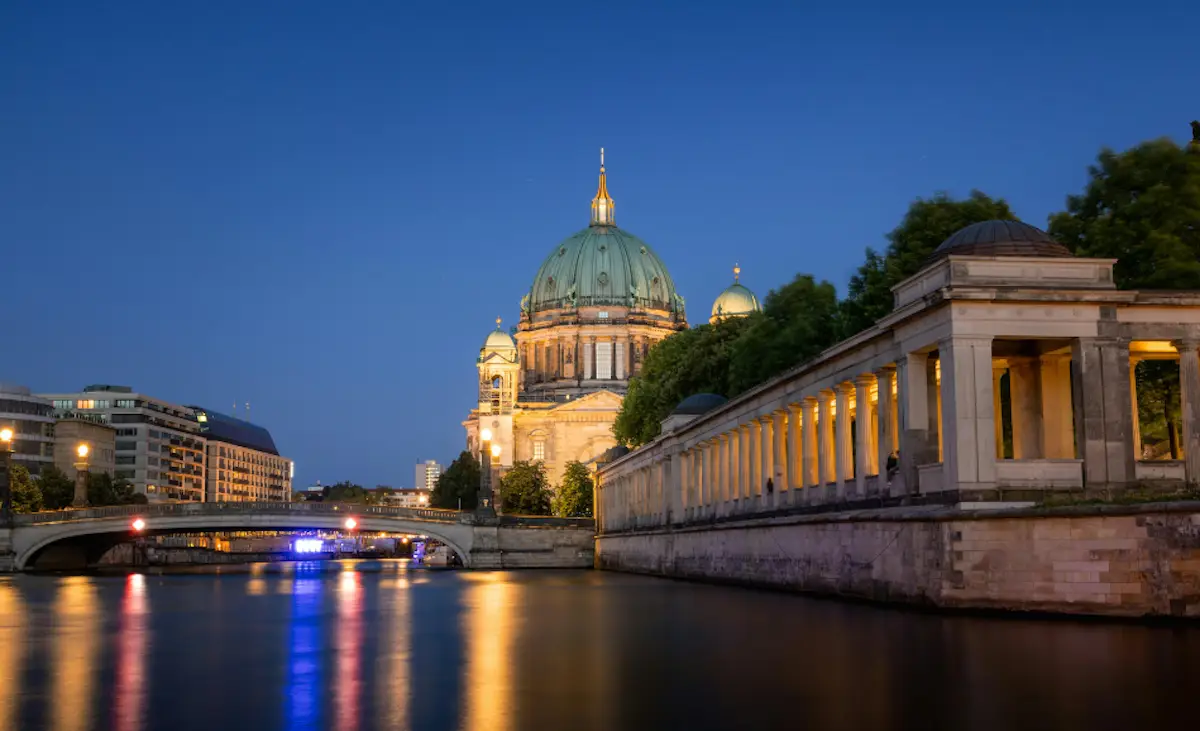
Explore Berlin in 3 Days: The First-Timer’s Itinerary
This Berlin 3 day itinerary is exactly how I’d recommend spending your first trip to Germany’s fascinating capital. After arriving by train from Amsterdam and spending four days exploring Berlin—with an extra day in Potsdam—I quickly realized this city is unlike anywhere else in Europe. Berlin surprised me more than almost any city in Europe.
I expected history. I expected museums, Cold War landmarks, and maybe a few good beer gardens.
What I didn’t expect was how emotionally layered the city feels.
One moment you’re standing in front of the Brandenburg Gate watching cyclists glide through Pariser Platz, and twenty minutes later you’re walking silently through the Holocaust Memorial feeling the entire mood of the city shift around you.
Berlin doesn’t try to smooth over its past. It puts it directly in front of you. It is wildly creative, modern, and alive.
I spent three days in Berlin with an extra day in Potsdam after arriving by train from Amsterdam — a six-hour journey that ended up being one of the easiest and most scenic train rides I’ve taken in Europe. The German rail system was efficient, comfortable, and far less stressful than flying.
For first-time visitors, three days in Berlin is perfect. You’ll have enough time to experience Berlin’s major landmarks while also wandering neighborhoods, lingering over coffee, and realizing the city is much more than its history books.
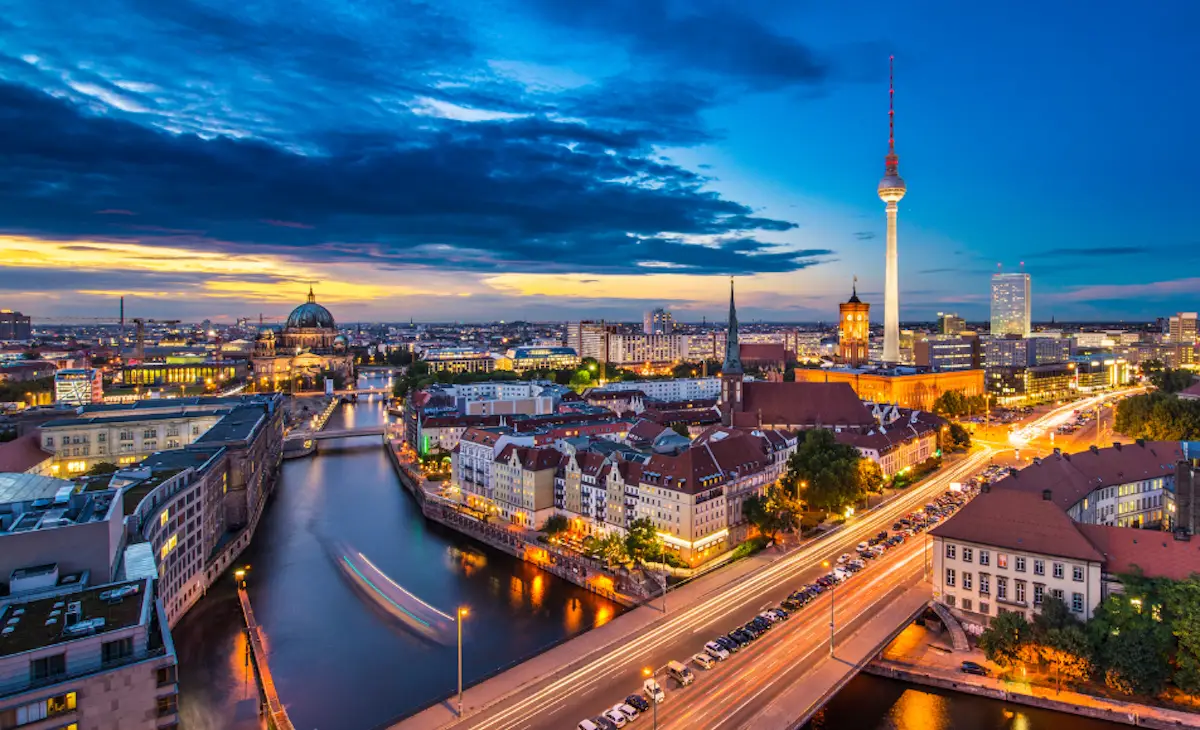
Berlin 3 Day Itinerary At a Glance
- Day 1: Brandenburg Gate, Reichstag, Museum Island & Berlin Cathedral
- Day 2: Charlottenburg Palace, Tiergarten, Ku’damm & Berlin Zoo
- Day 3: East Side Gallery, Kreuzberg & Cold War Berlin
- Bonus Day 4: Day Trip to Potsdam & Sanssouci Palace
Day 1: Historic Berlin, Museum Island & the Reichstag
Your first day in Berlin should focus on Mitte, the historic center of the city. (and the perfect place to stay too)
It’s one of the most walkable parts of Berlin, with many of the city’s biggest landmarks surprisingly close together.
Morning: Brandenburg Gate & the Reichstag
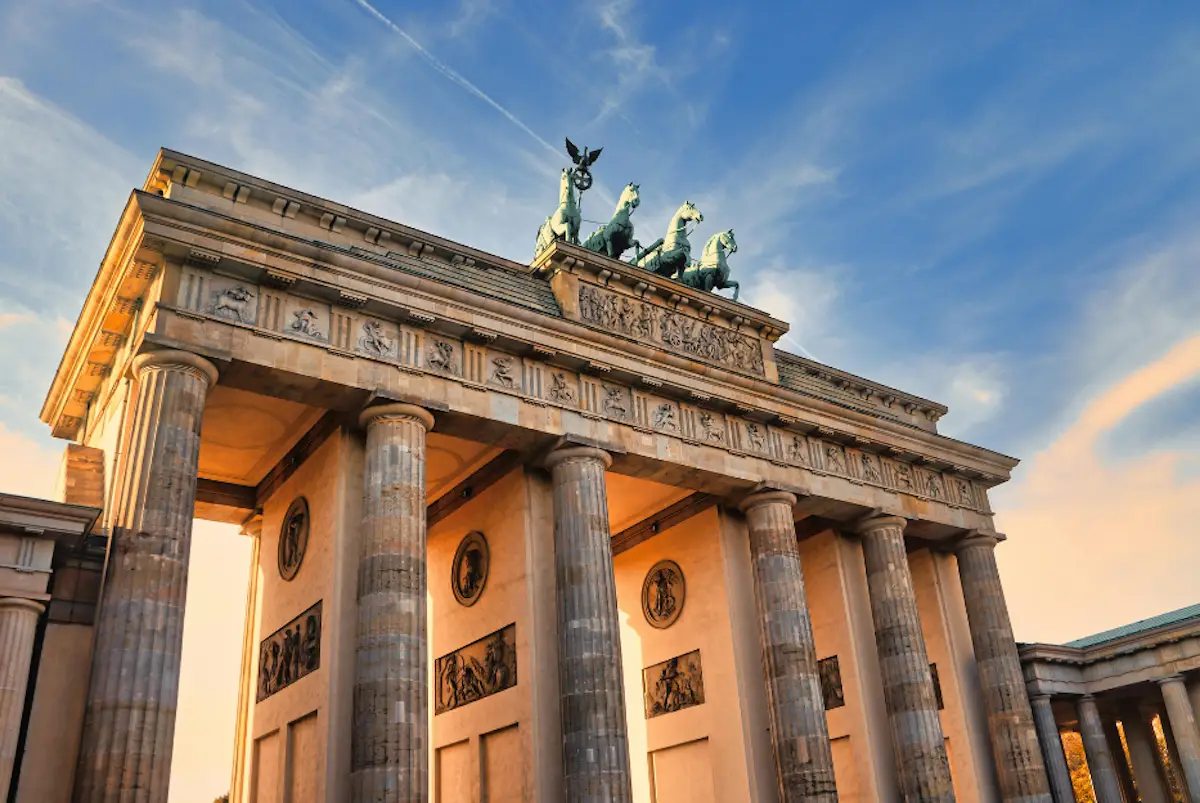
Start early at the Brandenburg Gate before the large tour groups arrive.
Yes, it’s touristy. Yes, everyone takes the same photo.
It still feels special standing there.
The gate carries an emotional weight that’s difficult to explain until you’re actually in front of it. For decades, this area sat trapped between East and West Berlin. Today it’s filled with cyclists, visitors, embassies, and street musicians.
That contrast is Berlin in a nutshell.
The US Embassy is right there too, along with a Starbucks that tour guides jokingly refer to as “the second US Embassy.”
➡️ Entry to the Reichstag dome is free, but reservations are required and can sell out weeks ahead — especially during summer and Christmas market season.
Reserve Reichstag Dome Tickets Here
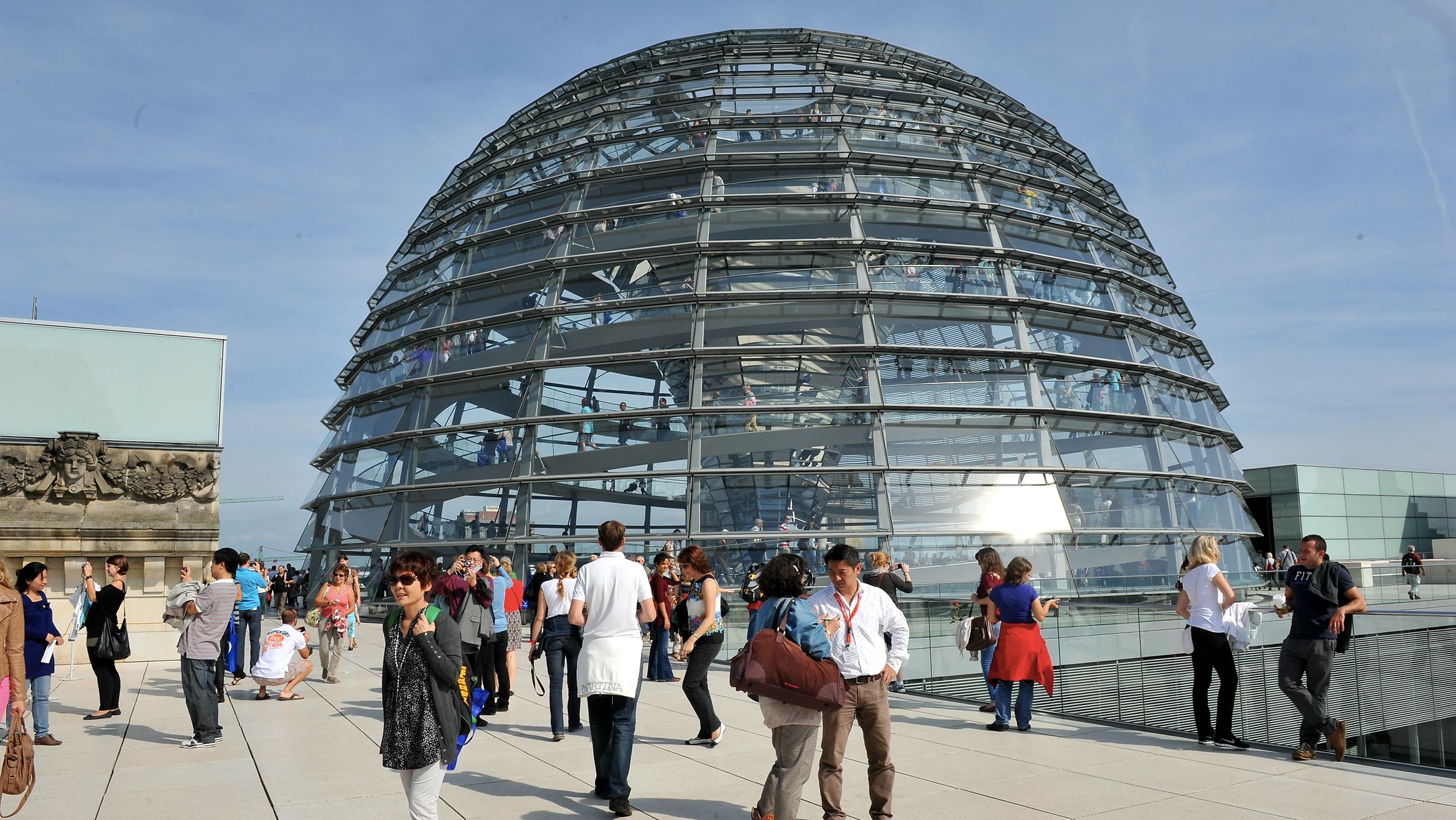
The Norman Foster glass dome is quite futuristic and symbolic at the same time — transparency literally built into the architecture of the German government after WWII.
📍 A Lovely Berlin Pause
If you’re looking for a quieter break from sightseeing, consider stopping at the Hotel Adlon Kempinski, (also a great place to stay) located right beside the Brandenburg Gate.
Afternoon tea or drinks in the lobby lounge make an elegant break between attractions, often accompanied by live piano music.
Another favorite is Café am Neuen See, tucked inside Tiergarten. Grab a table in the beer garden, order a drink, and enjoy one of Berlin’s most relaxing green spaces.
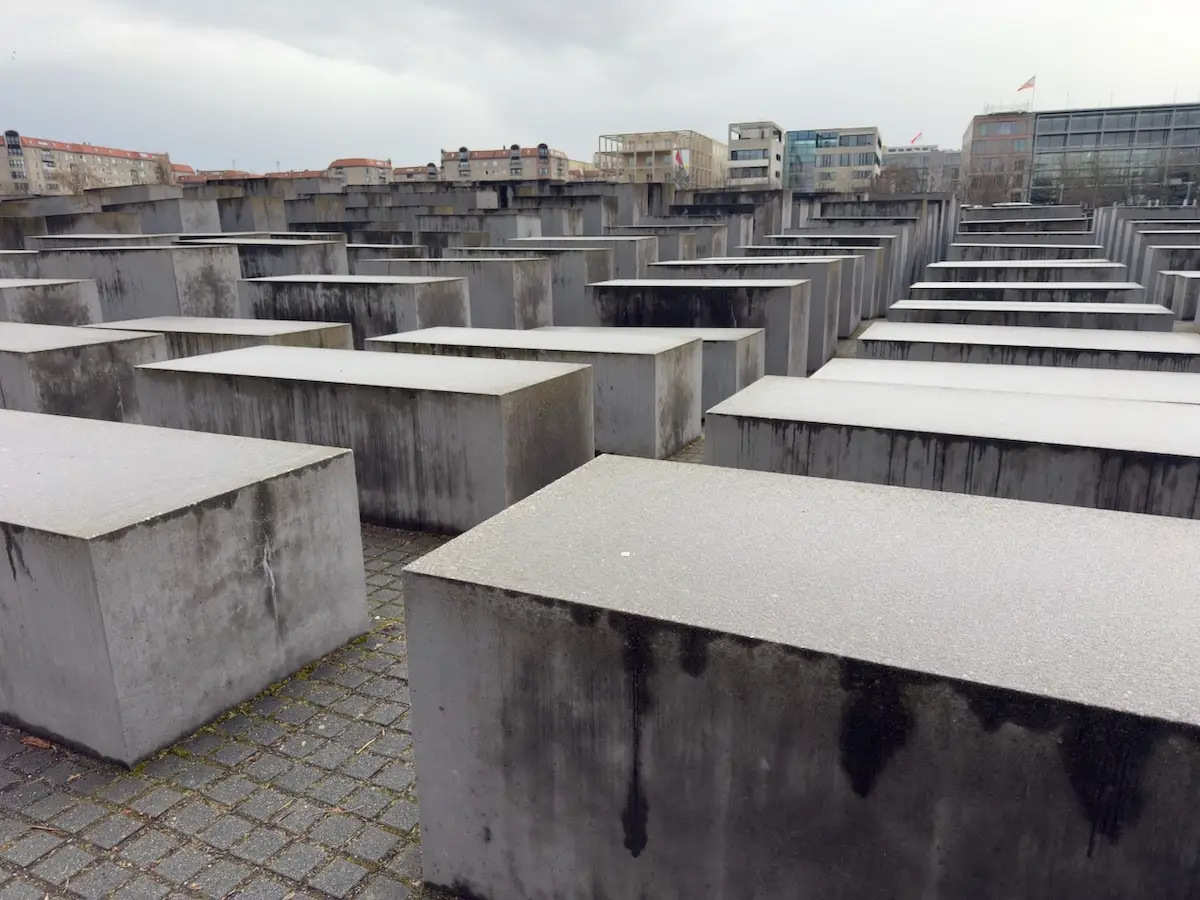
The Holocaust Memorial
A few minutes south of the Brandenburg Gate sits the Memorial to the Murdered Jews of Europe. (also less brutally known as the Holocaust Memorial)
This is not a quick photo stop. The deeper you walk into the concrete pillars, the quieter everything becomes. It got a tad scary exiting, like a maze. Clearly intentional.
Berlin handles historical memory differently from most cities, and this memorial is one of the clearest examples of that. It looks bleaker on this bleak day, but the gray of slabs I think, makes it feel this way always. Somber as it should be.
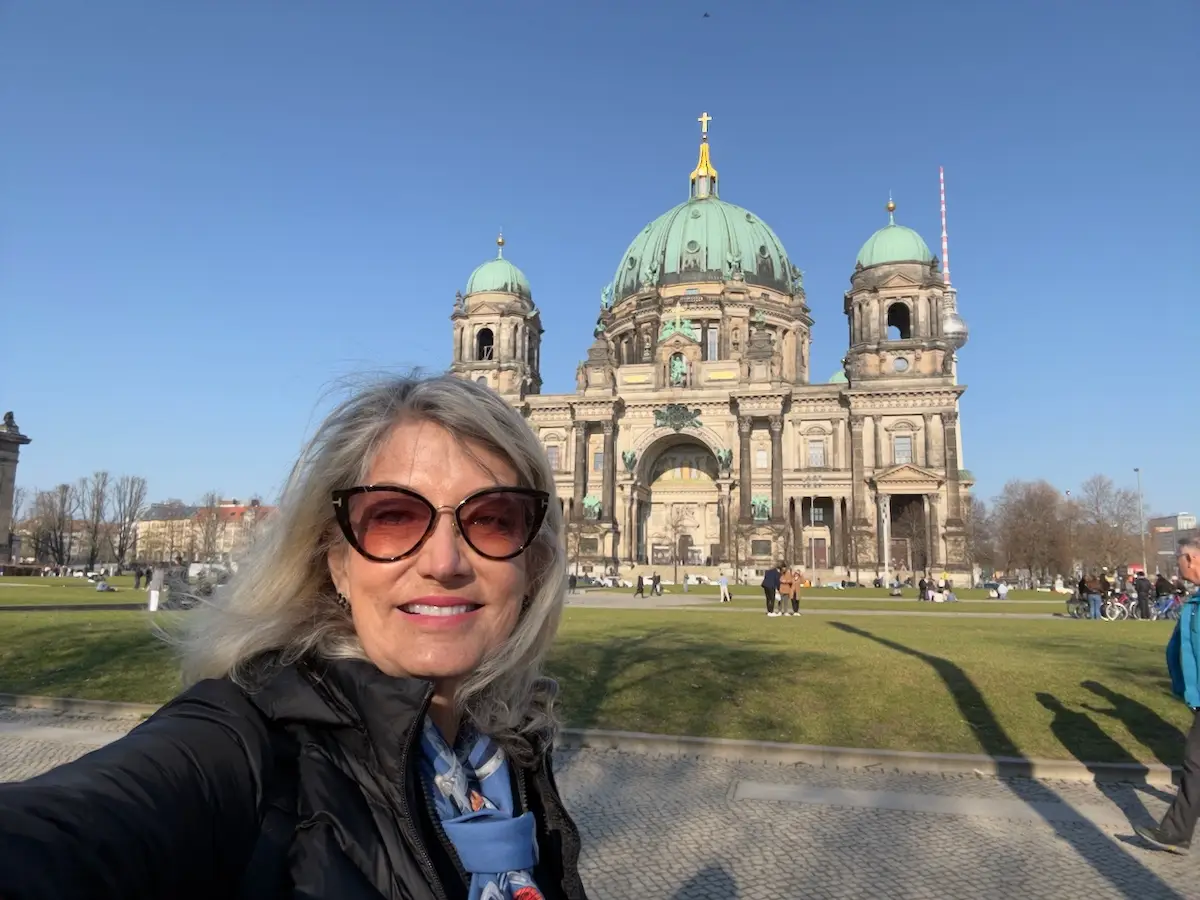
Afternoon: Museum Island & Berlin Cathedral
From there, walk down Unter den Linden toward Museum Island, a UNESCO World Heritage Site filled with some of Berlin’s most important museums.
Even if you’re not normally a museum person, this area is worth visiting for the architecture alone.
If you only choose one museum, I’d personally recommend the Neues Museum to see the famous bust of Nefertiti.
One quick warning: don’t try to overdo museums in Berlin. This city rewards wandering far more than speed-running cultural landmarks.
One of my favorite surprises was the Berlin Cathedral. The exterior is dramatic enough, but climbing to the dome gives you one of the best perspectives over central Berlin — especially overlooking Museum Island and the Spree River.
Just prepare for a lot of stairs. Your calves will absolutely file a formal complaint afterward.
Affiliate Disclaimer: This email may contain affiliate links. If you make a purchase using one of these links, we may receive compensation at no extra cost to you.
📍 Want to Explore Berlin With a Local Guide?
These experiences pair perfectly with your first day exploring Berlin’s historic center.
Day 2: Charlottenburg, Tiergarten & West Berlin
Day two shifts away from Berlin’s heavier historical core and into the city’s more elegant western side.
It almost feels like a completely different city.
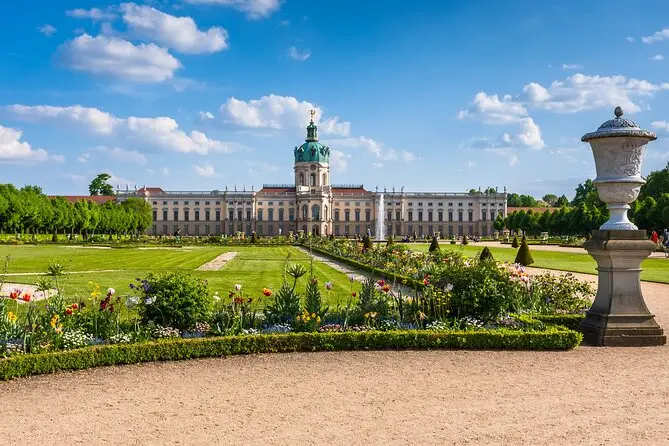
Morning: Charlottenburg Palace
Charlottenburg Palace ended up being one of my favorite surprises in Berlin.
After so much Cold War history and modern architecture, suddenly stepping into ornate Prussian royal rooms feels almost surreal.
The palace gardens are especially beautiful in spring and early summer.
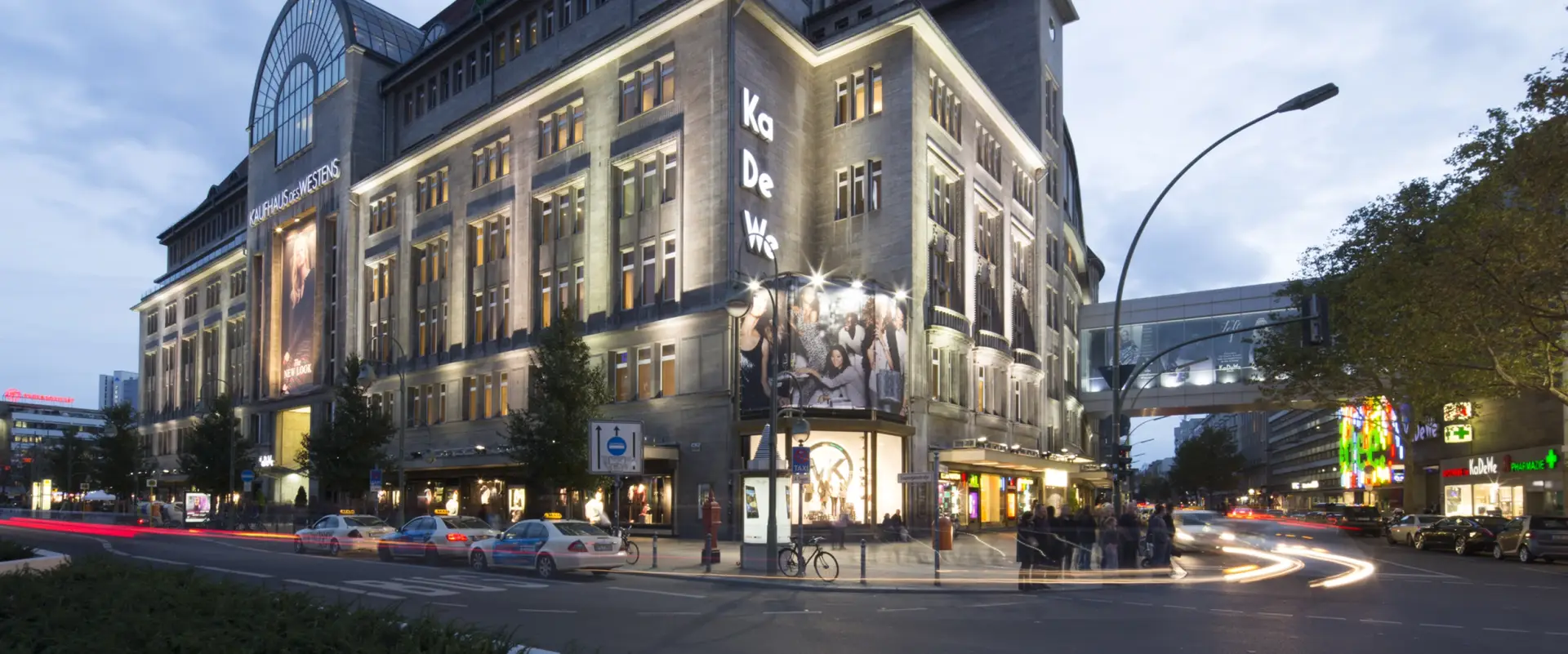
Midday: KaDeWe & Ku’damm
Even if shopping isn’t your thing, KaDeWe is worth visiting for the food hall alone.
The sixth floor smells like espresso, fresh bread, butter, and expensive perfume all at once.
It reminded me slightly of Harrods in London, but with fewer people aggressively elbowing you for macarons.
Afternoon: Tiergarten & Berlin Zoo
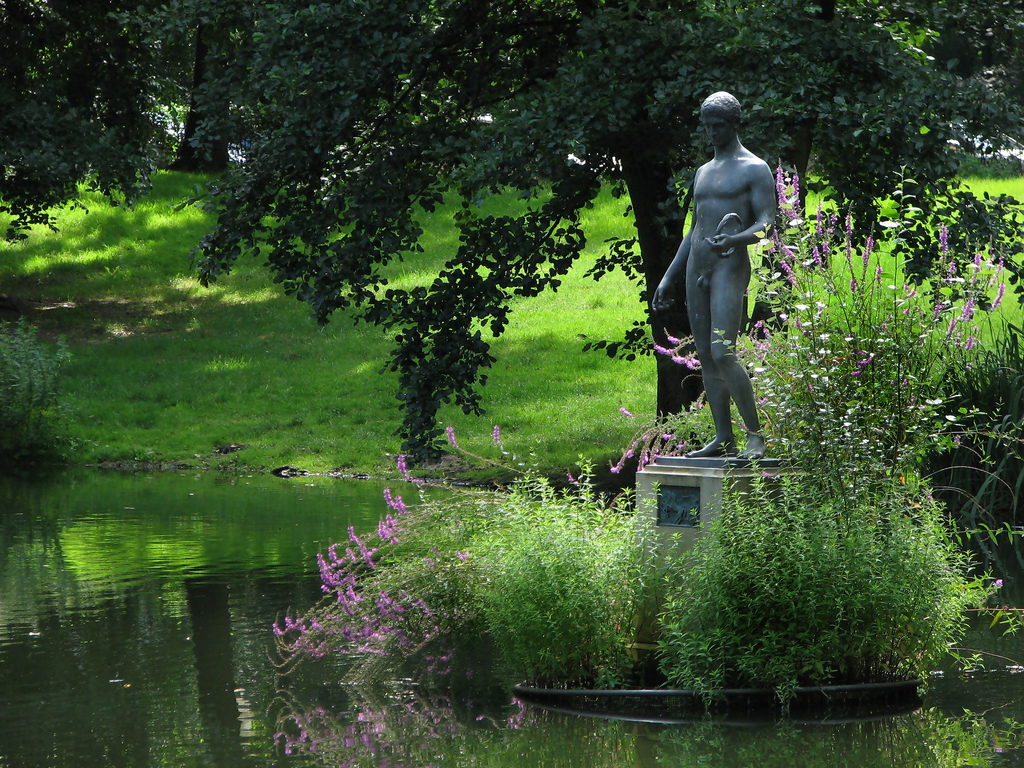
After days of concrete, museums, and Cold War history, Tiergarten felt like the city finally exhaled.
Sitting under the trees with a pretzel and coffee became one of my favorite quiet moments in Berlin.
If you’re traveling with kids, the Berlin Zoo is genuinely excellent and surprisingly easy to combine with the Ku’damm area.
The Hop-On Hop-Off Bus Was Surprisingly Useful
Because Berlin is so geographically spread out, the hop-on hop-off bus helped us orient ourselves quickly.
I actually learned this travel trick from filmmaker Francis Ford Coppola.
The strategy? Don’t even get off the bus at first. Just sit back, do the entire loop, and map out the city in your head. In a sprawling city like Berlin, it’s a fantastic first-day (or any day move) move.
📍 Recommended Experiences for West Berlin
Perfect additions to your Charlottenburg, Tiergarten, and Ku’damm day.
Day 3: East Berlin, Kreuzberg & Cold War History
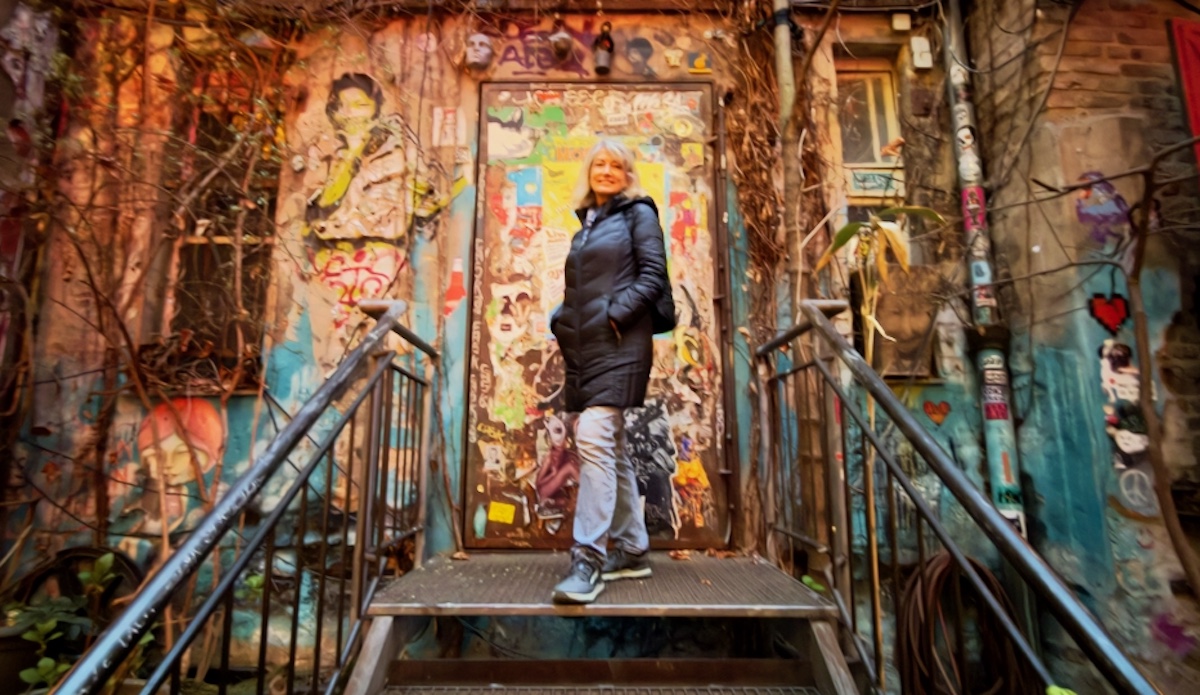
Your final day should focus on Berlin’s edgier, more creative side.
This is the Berlin many people imagine before visiting.
Morning: East Side Gallery & the Berlin Wall
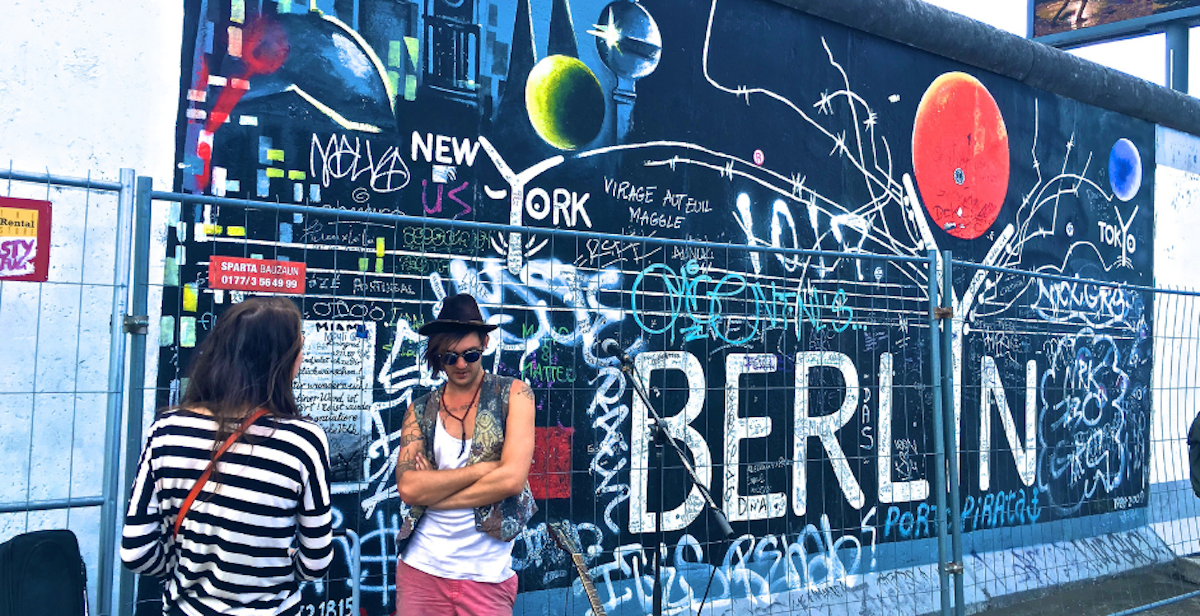
Seeing the Berlin Wall in person feels different than expected.
The East Side Gallery stretches for nearly a mile and is covered in murals, political art, and graffiti.
You can still physically feel the division the wall created across the city.
Checkpoint Charlie
Checkpoint Charlie itself is admittedly touristy now, but I still think it’s worth seeing once — especially for first-time visitors interested in Cold War history.
Afternoon: Kreuzberg & Markthalle Neun
Kreuzberg was the neighborhood that finally made me understand why people fall in love with Berlin.
It’s messy in places. Creative. International. Slightly chaotic.
And somehow it all works.
Markthalle Neun became one of my favorite food stops in the city. If you time it correctly, the street food events there are fantastic.
📍 Dive Deeper Into Berlin’s History & Creative Side
These tours bring Berlin’s fascinating stories and neighborhoods to life.
Where to Stay in Berlin
Berlin’s neighborhoods all feel very different, so choosing the right base matters more here than in many European cities.
For first-time visitors, I’d strongly recommend staying in Mitte. It’s central, highly walkable, and makes sightseeing dramatically easier.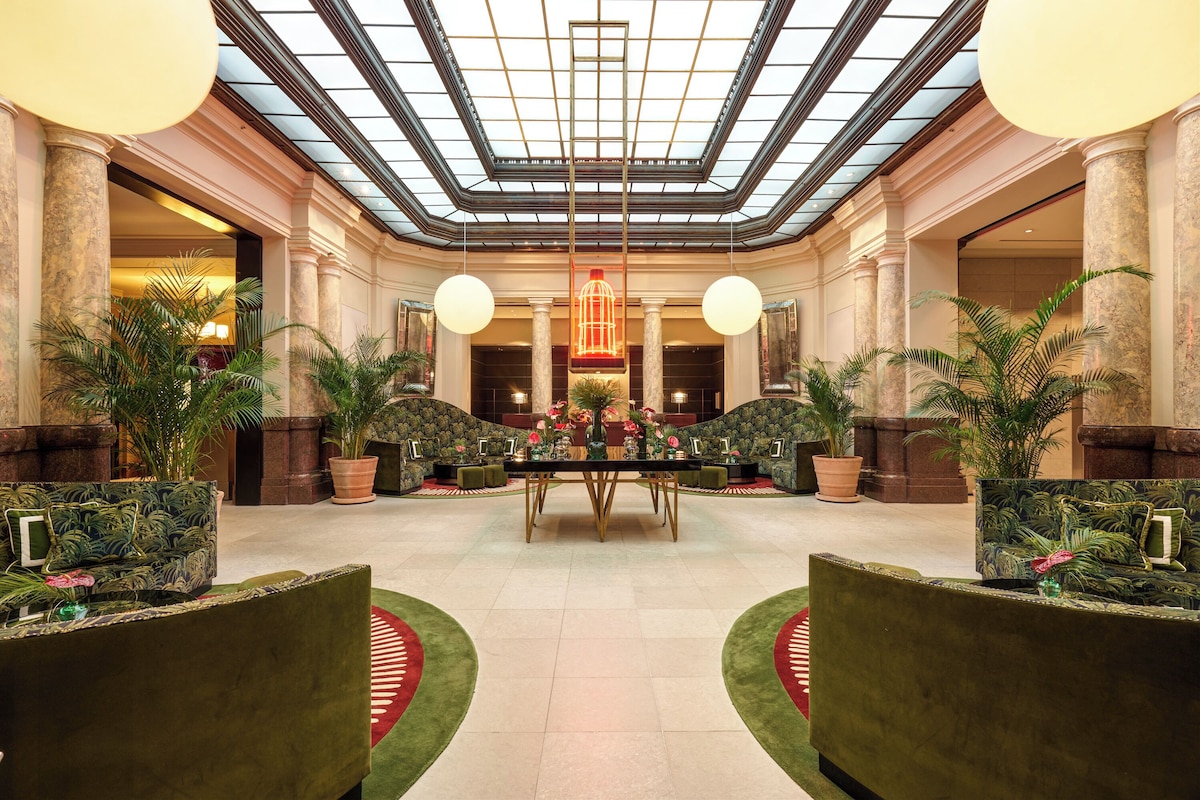

What I Packed for Berlin (And Actually Used)
Comfortable Walking Shoes
Berlin is a giant concrete city, and your feet will absolutely notice by day two if you pack the wrong shoes. We walked constantly — between museums, train stations, neighborhoods, and parks.
Good walking shoes are non-negotiable here. Here are my top four choices.
Lightweight Rain Jacket
Berlin weather changes quickly, especially in spring and fall. A lightweight packable raincoat ended up being incredibly useful. My husband and I both love our Columbia jackets which are also windproof.
➡️ Columbia Watertight Rain Jacket
Crossbody Bag or Lightweight Backpack
Because you’ll likely spend long days exploring, having a lightweight day bag makes a huge difference. I’d recommend something comfortable enough to carry all day but secure enough for train stations and crowded tourist areas.
➡️ Osprey Lightweight Day Pack
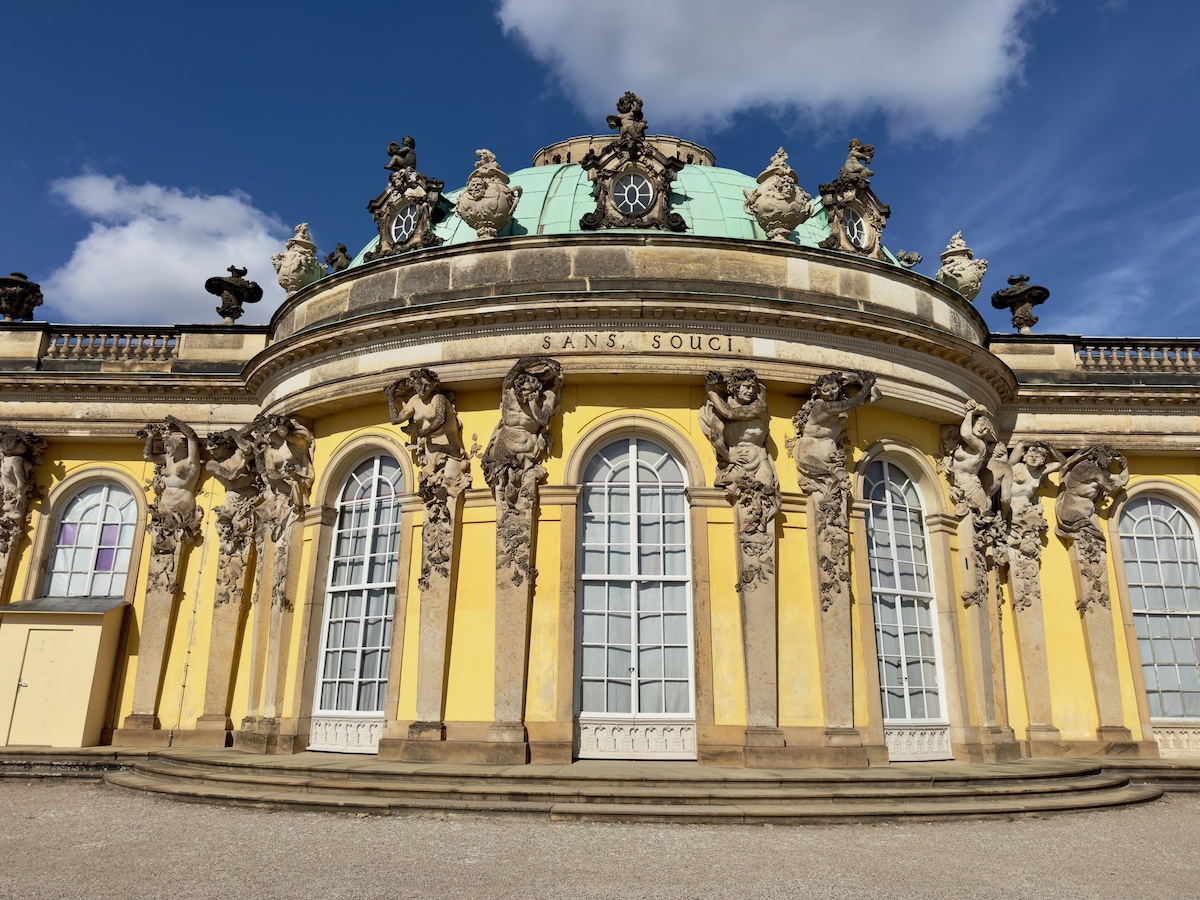 Day 4: A Perfect Day Trip to Potsdam
If you have an extra day in Berlin, Potsdam is absolutely worth it.
The train ride takes less than an hour, and the atmosphere feels completely different from Berlin almost immediately.
Berlin feels gritty, intellectual, and layered with history. Potsdam feels elegant, aristocratic, and almost relaxed by comparison.
Sanssouci Palace and its gardens were the highlight for me. The entire area feels more like a grand royal park than a traditional city center.
If the weather is nice, slow down here. Grab coffee, wander the gardens, and enjoy a quieter side of Germany after Berlin’s intensity.
📍 Make the Most of Your Potsdam Day Trip
If you’re planning a day trip, these experiences can help you see much more than you would on your own.
Things That Surprised Me About Berlin
Berlin Is Much Greener Than Expected
There are huge parks everywhere, tree-lined streets, lakes nearby, and tons of outdoor spaces. After hearing so much about Berlin’s industrial history, I didn’t expect the city to feel this green. Plus, lots of water. The river runs through the city.
Berlin Is Extremely Walkable
We walked far more than expected. Yes, public transportation is excellent — but many major attractions are clustered together, especially around Mitte.
Berlin Still Loves Cash
Carry Euros. Even some trendy cafés and casual spots still prefer cash payments, which surprised me considering how modern the city feels overall. I use the local ATM after arrival. With cards from certain companies, like Schwab, there are no transaction fees, just be sure to let your USA bank do the conversion, otherwise you’ll really get ripped off.
Public Toilets Are Pay to Pee!!
There aren’t a ton of public restrooms around the city, so don’t wait until you REALLY have to go. Most public toilets in Berlin cost around €1 to €1.50. Many accept tap-to-pay now, but not all of them do, so keeping a few Euro coins handy is smart. We usually found it easier to stop into a café, order a sparkling water or coffee, and use the restroom there instead.
Berlin’s Food Scene Is Better Than Expected
Berlin’s food scene was great! Between Turkish restaurants in Kreuzberg, pastries at KaDeWe, riverside cafés, and late-night currywurst stands, the city feels much more international than many first-time visitors expect.
Frequently Asked Questions About Berlin
Is 3 days enough for Berlin?
Yes — especially for first-time visitors. Three days is enough time to see Berlin’s major landmarks while still leaving room for neighborhoods, museums, cafés, and slower moments.
What area should first-time visitors stay in?
Mitte is the easiest and most convenient base for first-time visitors. Many of Berlin’s biggest landmarks are within walking distance, and transportation connections are excellent.
Is Berlin safe for tourists?
Overall, yes. Like any major city, stay aware in crowded transit areas and tourist zones, but Berlin generally felt very safe while walking around during the day and evening.
Do people speak English in Berlin?
Yes. We had no issues communicating in English throughout the city, especially in hotels, restaurants, museums, and tourist areas.
Is Potsdam worth visiting?
Absolutely. If you have extra time in Berlin, Potsdam offers a completely different atmosphere and a break from the city’s intensity.
What’s the best time to visit Berlin?
Late spring and early fall are ideal. The weather is milder, outdoor cafés are busy, and the parks are beautiful without the heavy summer crowds. We went in March, some days were cold and dreary, and others bright and sunny. Spring!
Final Thoughts on Berlin
Berlin isn’t beautiful in the traditional European sense — but that’s exactly what makes it unforgettable.
One moment you’re surrounded by grand architecture and royal history. Next, you’re standing in front of Cold War remnants or eating currywurst beside a graffiti-covered train station.
That contrast is part of why Berlin stays with people long after they leave.
Ready to Start Planning Your Trip to Berlin?
This itinerary is 100% doable on your own—and that’s the beauty of travel in Germany.
I use a few trusted tools to make trip planning seamless: For hotels, I book through Booking.com; or Expedia for tours and experiences, I love Project Expedition and Viator. If you’re driving, Rentalcars.com is my go-to for car rentals. I always protect my trips with travel insurance via Squaremouth, and Generali, and for easy phone service abroad, I use an Airalo eSIM.
Train tickets? I book them in advance with Trainline or for more options, look at my travel resource page to save time and money.
But if you’re dreaming of a magical, stress-free Berlin escape with all the details handled—I’m here to help.
And, for the exact travel tools I use for Europe trips—including hotels, train tickets, travel insurance, and eSIMs—visit my Travel Resources page before you book.
Before your trip, I’d also recommend checking my Travel Resources page where I share the exact booking platforms, travel insurance providers, eSIMs, and planning tools I use for almost every trip.
I can design your perfect itinerary, book everything, and make sure it all runs like clockwork.
Click here to get in touch, and let’s plan your next adventure!
If you enjoyed this, you might also enjoy learning more before you travel here: